Nigeria Political System & Government Explained
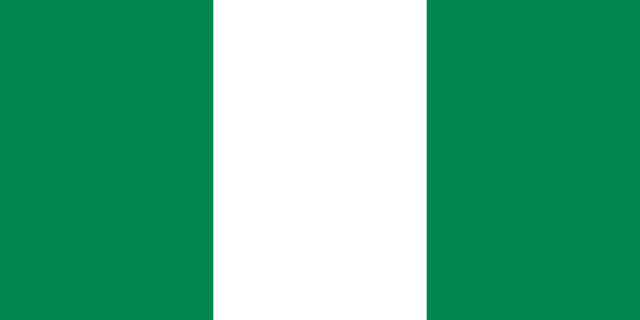
Nigeria is a federal presidential republic and Africa's most populous country. The president serves as both head of state and head of government, elected for a maximum of two four-year terms. Bola Ahmed Tinubu (APC) became president in May 2023. Nigeria's politics are heavily influenced by its North-South divide and the informal rotation of the presidency between the predominantly Muslim north and predominantly Christian south.

What stands out
- 66 parties compete for just 1 tracked governing office.
- Capital
- Abuja
- Government
- federal republic
- Population
- 211.4 million
The Read
Nigeria is a federal republic in Africa. Run from Abuja, 211.4 million people.
Federalism means Nigeria's capital doesn't get the last word. Most big decisions get re-fought at the state or regional level before they actually land.
Nigeria's political landscape includes 3 elections, 66 political parties, and 1 office.
ByNorth
Verdict: Nigeria is a federal presidential republic with a two-term limit and a political system shaped by ethnic, religious, and regional dynamics.
Nigeria is a federal presidential republic and Africa's most populous country. The president serves as both head of state and head of government, elected for a maximum of two four-year terms. Bola Ahmed Tinubu (APC) became president in May 2023. Nigeria's politics are heavily influenced by its North-South divide and the informal rotation of the presidency between the predominantly Muslim north and predominantly Christian south.
This page covers Nigeria's federal system, the APC-PDP rivalry, zoning conventions, and the Tinubu administration.
Nigeria is Africa's most populous country and a major contributor to UN and African Union peacekeeping missions.
Nigeria
- Military Strength