Pakistan Political System & Government Explained
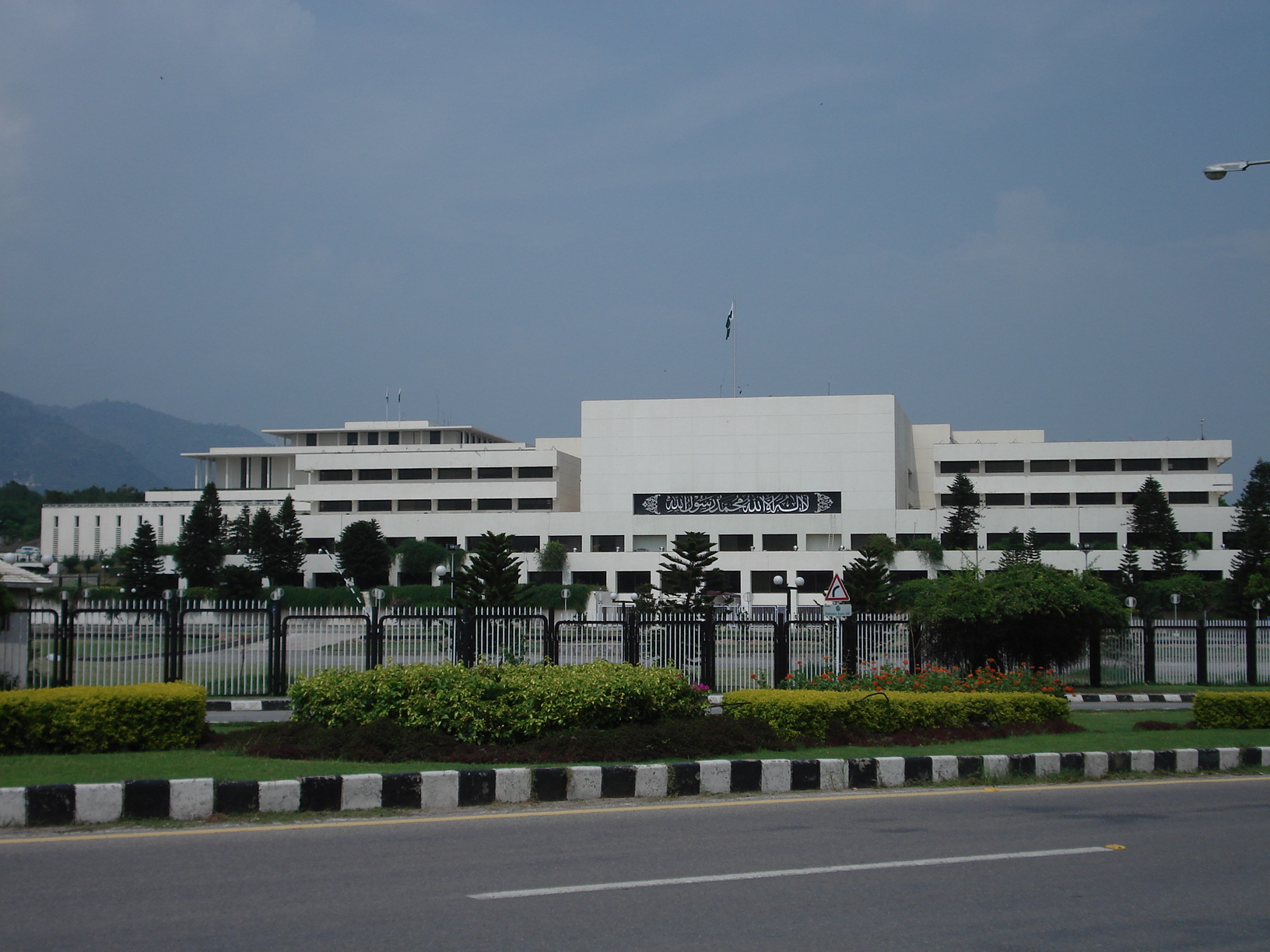
Pakistan is a federal parliamentary Islamic republic. The prime minister is the head of government, leading a cabinet that must command the confidence of the National Assembly. The president is a largely ceremonial head of state. Pakistan's political system is characterised by recurring cycles of military intervention, judicial assertiveness, and intense multiparty competition among the PPP, PML-N, and PTI.

What stands out
- 115 parties compete for just 2 tracked governing offices.
- Capital
- Islamabad
- Government
- parliamentary republic
- Population
- 223.8 million
The Read
Pakistan is a parliamentary republic in Asia. Run from Islamabad, 223.8 million people.
In Pakistan the prime minister governs only as long as parliament lets them. The presidency, if it exists, is usually a referee — not the show.
Pakistan's political landscape includes 3 elections, 115 political parties, and 2 offices.
ByNorth
Verdict: Pakistan is a federal parliamentary republic where the military has historically exercised significant political influence alongside civilian governments.
Pakistan is a federal parliamentary Islamic republic. The prime minister is the head of government, leading a cabinet that must command the confidence of the National Assembly. The president is a largely ceremonial head of state. Pakistan's political system is characterised by recurring cycles of military intervention, judicial assertiveness, and intense multiparty competition among the PPP, PML-N, and PTI.
This page covers Pakistan's federal structure, parliamentary system, civil-military relations, and major political parties.