Philippines Political System & Government Explained
The Philippines is a unitary presidential republic. The president is directly elected for a single non-renewable six-year term and serves as both head of state and head of government. Ferdinand "Bongbong" Marcos Jr. won the 2022 presidential election in a landslide. The legislature, called the Congress, is bicameral — a 24-seat Senate elected nationally and a House of Representatives elected by district. Philippine politics is heavily shaped by powerful family dynasties and regional patronage networks.
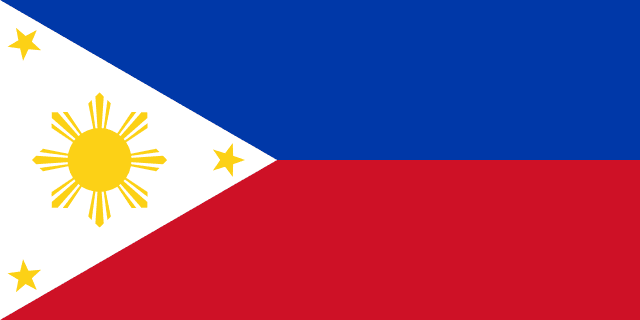
What stands out
- 133 parties compete for just 1 tracked governing office.
- Capital
- Manila
- Government
- republic
- Population
- 112.7 million
The Read
Philippines is a republic in Asia. Run from Manila, 112.7 million people.
Philippines's political landscape includes 3 elections, 133 political parties, and 1 office.
ByNorth
Verdict: The Philippines is a unitary presidential constitutional republic dominated by political dynasties and regional power brokers, with Ferdinand Marcos Jr. as president since 2022.
The Philippines is a unitary presidential republic. The president is directly elected for a single non-renewable six-year term and serves as both head of state and head of government. Ferdinand "Bongbong" Marcos Jr. won the 2022 presidential election in a landslide. The legislature, called the Congress, is bicameral — a 24-seat Senate elected nationally and a House of Representatives elected by district. Philippine politics is heavily shaped by powerful family dynasties and regional patronage networks.
This page covers the Philippine presidential system, the Marcos Jr. administration, the role of political dynasties, the party system, and the Philippines' US alliance.