Singapore Political System & Government Explained
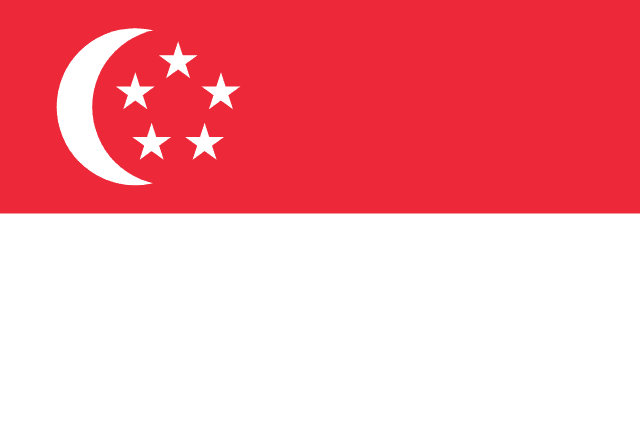
Singapore is a parliamentary republic. The prime minister is the head of government and the most powerful executive position. Lawrence Wong became Prime Minister in May 2024, succeeding Lee Hsien Loong (who served 2004–2024). The president is a largely ceremonial head of state, elected separately. The People's Action Party (PAP) has won every general election since independence, typically capturing 60–70% of the popular vote. Singapore operates as a highly technocratic, rule-of-law state with strong economic management but restricted political freedoms.
What stands out
- 33 parties compete for just 2 tracked governing offices.
- Capital
- Singapore
- Government
- parliamentary republic
- Population
- 5.9 million
The Read
Singapore is a parliamentary republic in Asia. Its capital is Singapore and it has an approximate population of 5.9 million.
In Singapore the prime minister governs only as long as parliament lets them. The presidency, if it exists, is usually a referee — not the show.
Singapore's political landscape includes 2 elections, 33 political parties, and 2 offices.
ByNorth
Verdict: Singapore is a parliamentary republic with competitive elements but effectively dominant-party rule by the People's Action Party (PAP), which has governed continuously since 1959.
Singapore is a parliamentary republic. The prime minister is the head of government and the most powerful executive position. Lawrence Wong became Prime Minister in May 2024, succeeding Lee Hsien Loong (who served 2004–2024). The president is a largely ceremonial head of state, elected separately. The People's Action Party (PAP) has won every general election since independence, typically capturing 60–70% of the popular vote. Singapore operates as a highly technocratic, rule-of-law state with strong economic management but restricted political freedoms.
This page covers Singapore's Westminster-derived parliamentary system, the PAP's dominance, the elected presidency, and the Lee Hsien Loong to Lawrence Wong transition.