South Korea Political System & Government Explained
South Korea is a presidential constitutional republic. The president is both head of state and head of government, serving a single five-year term with no re-election. Lee Jae-myung of the Democratic Party became president in 2025 following the impeachment and removal of Yoon Suk-yeol. The National Assembly is a unicameral legislature with 300 seats.

What stands out
- 91 parties compete for just 1 tracked governing office.
- Capital
- Seoul
- Government
- presidential system
- Population
- 51.5 million
The Read
Run from Seoul, South Korea is a presidential system in Asia. 51.5 million people; that scale shapes the politics.
One office, head of state and head of government in the same chair. South Korea's presidency is strong by design — legislatures and courts shape what's possible, but the executive sets the tempo.
South Korea's political landscape includes 5 elections, 91 political parties, and 1 office.
ByNorth
Verdict: South Korea is a presidential republic where the president serves a single five-year term and cannot be re-elected.
South Korea is a presidential constitutional republic. The president is both head of state and head of government, serving a single five-year term with no re-election. Lee Jae-myung of the Democratic Party became president in 2025 following the impeachment and removal of Yoon Suk-yeol. The National Assembly is a unicameral legislature with 300 seats.
This page covers South Korea's presidential system, the political crisis following Yoon's impeachment, key parties, and the country's democratic evolution.
South Korea maintains one of the world's largest and most technologically advanced militaries, driven by the existential threat from North Korea.
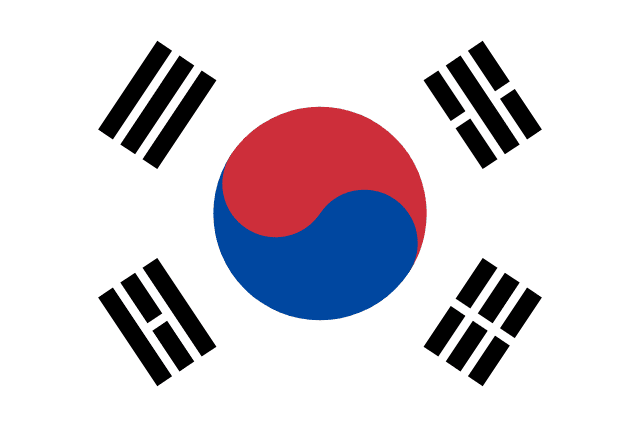
South Korea
- Military Strength