Switzerland Political System & Government Explained
Switzerland is a federal republic with a highly distinctive political system. The executive is the seven-member Federal Council, which operates by consensus — there is no single prime minister or head of government; instead, a Federal President rotates annually among council members for ceremonial purposes only. Switzerland uses an extensive system of direct democracy: citizens can trigger referendums on legislation and propose constitutional initiatives with 100,000 signatures. It has four official languages (German, French, Italian, Romansh) and 26 cantons with significant autonomy.
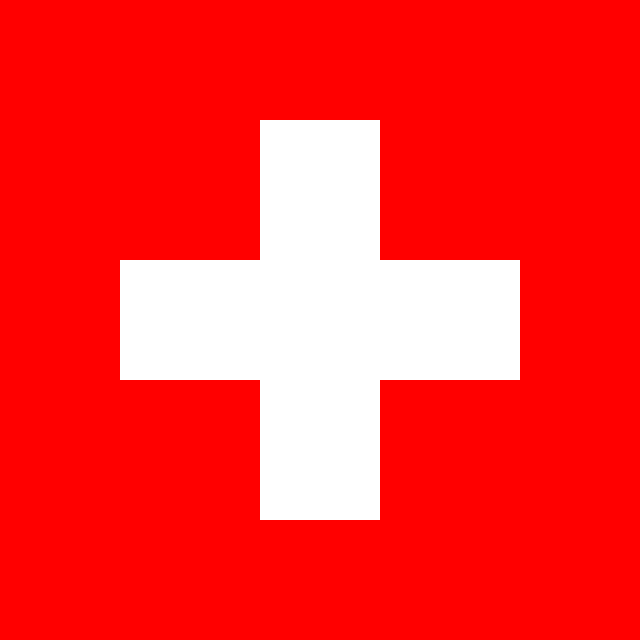
What stands out
- 52 parties compete for just 1 tracked governing office.
- Capital
- Bern
- Government
- directorial system
- Population
- 9.1 million
The Read
Switzerland — directorial system, in Europe, ~9.1 million people — is a sovereign state run from Bern.
Switzerland's political landscape includes 1 election, 52 political parties, and 1 office.
ByNorth
Verdict: Switzerland is a federal republic with the world's most developed system of direct democracy and a consensus-based collegial executive rather than a single head of government.
Switzerland is a federal republic with a highly distinctive political system. The executive is the seven-member Federal Council, which operates by consensus — there is no single prime minister or head of government; instead, a Federal President rotates annually among council members for ceremonial purposes only. Switzerland uses an extensive system of direct democracy: citizens can trigger referendums on legislation and propose constitutional initiatives with 100,000 signatures. It has four official languages (German, French, Italian, Romansh) and 26 cantons with significant autonomy.
This page explains Switzerland's federal structure, the collegial Federal Council, direct democracy mechanisms, and how the canton system distributes power.