Turkey Political System & Government Explained
Turkey is a presidential republic following a 2017 constitutional referendum that abolished the office of prime minister. President Recep Tayyip Erdogan holds executive power and has governed since 2003 (as PM until 2014, then as president). The Grand National Assembly of Turkey (TBMM) is a unicameral parliament with 600 seats.
What stands out
- 164 parties compete for just 1 tracked governing office.
- Capital
- Ankara
- Government
- unitary state
- Population
- 85.4 million
The Read
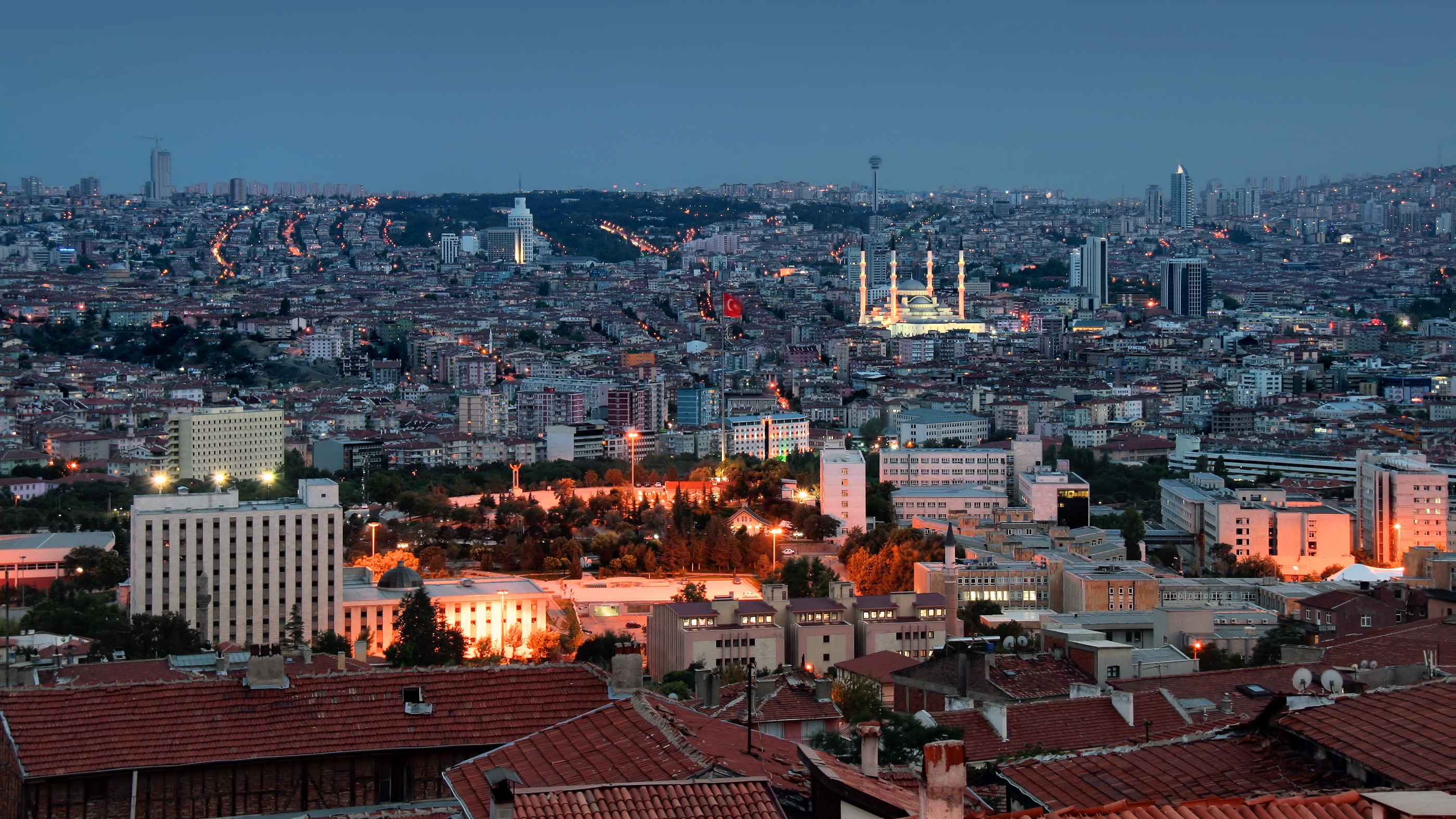
Run from Ankara, Turkey is a unitary state in Asia. 85.4 million people; that scale shapes the politics.
Turkey's political landscape includes 4 elections, 164 political parties, and 1 office.
ByNorth
Verdict: Turkey transitioned from a parliamentary to a presidential system in 2018, concentrating executive power in the presidency under Erdogan.
Turkey is a presidential republic following a 2017 constitutional referendum that abolished the office of prime minister. President Recep Tayyip Erdogan holds executive power and has governed since 2003 (as PM until 2014, then as president). The Grand National Assembly of Turkey (TBMM) is a unicameral parliament with 600 seats.
This page covers Turkey's transition to presidentialism, the AKP's dominance, the role of the Grand National Assembly, and the state of opposition politics.
Turkey has NATO's second-largest military by personnel and a rapidly growing domestic defense industry.
Turkey
- Military Strength
- Assertive regional
- Defense Budget
- ~$29 billion