
The Kessler Syndrome
An anti-satellite weapon test triggers a debris cascade that begins destroying satellites in low Earth orbit. GPS, communications, and weather forecasting start failing globally.
A nation conducts an anti-satellite weapon test that destroys a defunct satellite in a congested orbital band. The resulting debris field triggers a cascading chain reaction — fragments destroying other satellites, which create more fragments. Within 48 hours, 340 satellites are destroyed or damaged. The cascade is accelerating.
You are the Commander of US Space Command
The Situation Room
>GPS accuracy is degrading globally. Aviation authorities are grounding flights in regions that depend on satellite navigation.
>Starlink and other LEO constellations are losing satellites at a rate of 20 per hour.
>The US military's satellite communications backbone is 30% degraded and worsening. Nuclear command and control relies on these systems.
Internal Briefing Notes
• The Kessler Syndrome is a theoretical chain reaction where orbital debris density reaches a tipping point, making certain orbital bands permanently unusable.
• There is no international treaty governing debris cleanup or liability for cascade events.
• Modern military operations, financial systems, and civilian infrastructure are fundamentally dependent on satellite services.
Escalation Window
Reveal each phase to see how the situation deteriorates.
Low Earth orbit is becoming a minefield. The cascade is accelerating. What do you recommend?
Choose your response. There are no good options.
Deploy experimental cleanup systems. They won't work fast enough and any failure adds more debris. But it's the only path to preserving space access.
Destroy their remaining space assets to prevent further tests. You escalate the conflict but establish deterrence — and add even more debris.
Move critical military and communications assets to medium and geostationary orbits. You sacrifice GPS coverage and LEO capabilities but preserve strategic systems.
Related Entities
Explore the institutions, countries, and actors involved in this scenario.
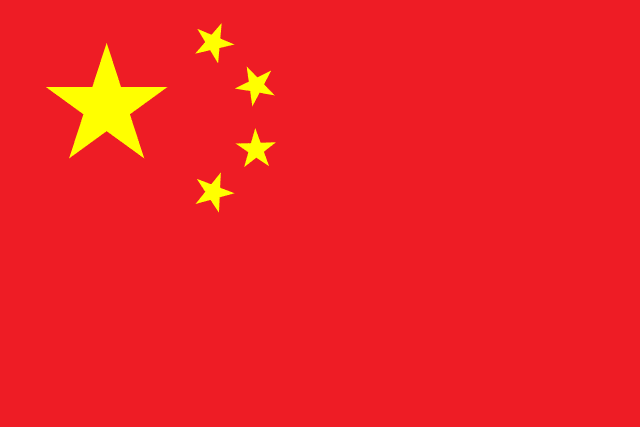
People's Republic of China
Single-party socialist state led by the Chinese Communist Party and one of the two central poles of global power. China combines party control, state planning capacity, export-industrial strength, technological ambition, and a vast domestic market, making its political decisions consequential for global trade, security, supply chains, and regional power balances.

United States
Federal presidential republic and the world's largest economy, with power divided among the presidency, Congress, the states, and the federal courts. U.S. politics is highly polarized, two-party dominated, and globally consequential because decisions made in Washington shape finance, trade, security alliances, technology regulation, and military power far beyond U.S. borders.
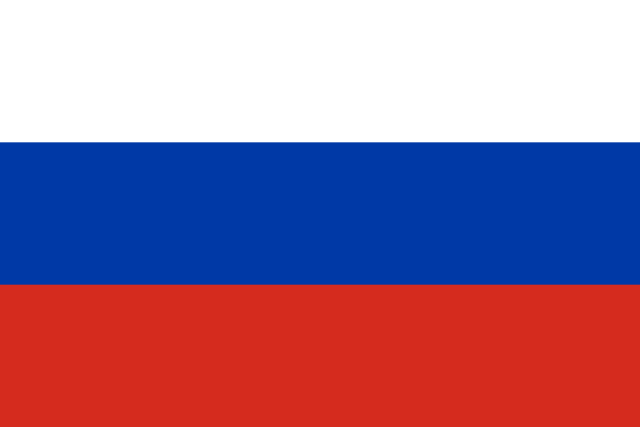
Russia
Federal semi-presidential republic spanning Eastern Europe and Northern Asia. The world's largest country by area and a major nuclear power. Power is heavily centralized in the presidency, with a managed multi-party system dominated by United Russia. Russia is a permanent member of the UN Security Council. The political system combines formal constitutional structures with strong executive dominance, limited opposition activity, and state influence over media and elections.
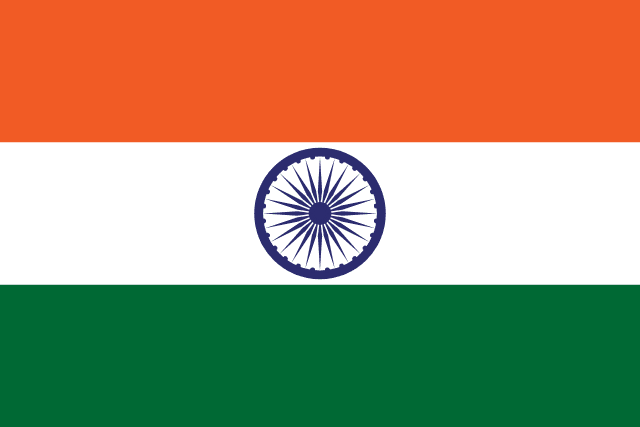
India
Federal parliamentary democratic republic. World's most populous country with a multi-party parliamentary system.
Scenario Lab Feedback