Israel Political System & Government Explained
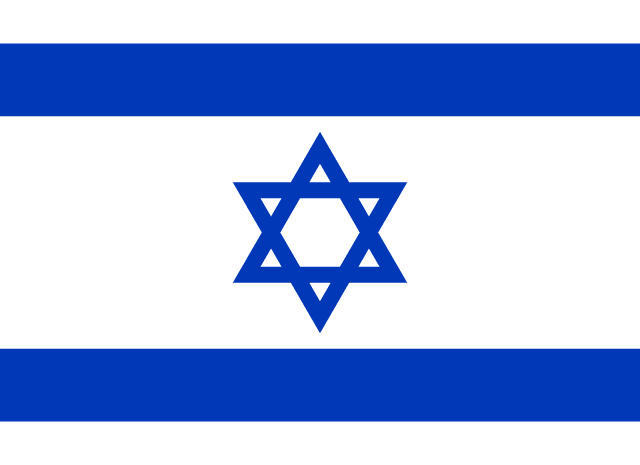
Israel is a parliamentary democracy. The Knesset (120-seat unicameral parliament) is the supreme legislative authority. The prime minister leads the government and must maintain parliamentary confidence. Israel has no written constitution; instead, a series of Basic Laws function as constitutional documents. Israel uses nationwide proportional representation, which produces highly fragmented parliaments and complex coalition negotiations. Benjamin Netanyahu has been prime minister for most of the period since 2009.
- Capital
- Jerusalem (declared; disputed internationally)
- Government
- Parliamentary democracy
- Population
- ~9.8 million
- Legislature
- Knesset
The Read
Israel is a parliamentary democracy in Asia. Its capital is Jerusalem (declared; disputed internationally) and it has an approximate population of ~9.8 million.
In Israel the prime minister governs only as long as parliament lets them. The presidency, if it exists, is usually a referee — not the show.
The national legislature is the Knesset. The country's political landscape includes 4 elections, 5 political parties, and 2 offices.
ByNorth
Verdict: Israel is a parliamentary democracy governed by Basic Laws rather than a codified constitution, with a fragmented multiparty system that makes stable coalitions difficult to form.
Israel is a parliamentary democracy. The Knesset (120-seat unicameral parliament) is the supreme legislative authority. The prime minister leads the government and must maintain parliamentary confidence. Israel has no written constitution; instead, a series of Basic Laws function as constitutional documents. Israel uses nationwide proportional representation, which produces highly fragmented parliaments and complex coalition negotiations. Benjamin Netanyahu has been prime minister for most of the period since 2009.
This page covers Israel's parliamentary structure, Basic Laws, coalition politics, major parties, and the institutions operating during the ongoing conflict with Hamas.